
AI computing modules not only rely on powerful algorithms and computing chips, but also require highly optimized parallel computing capabilities at the hardware architecture level.
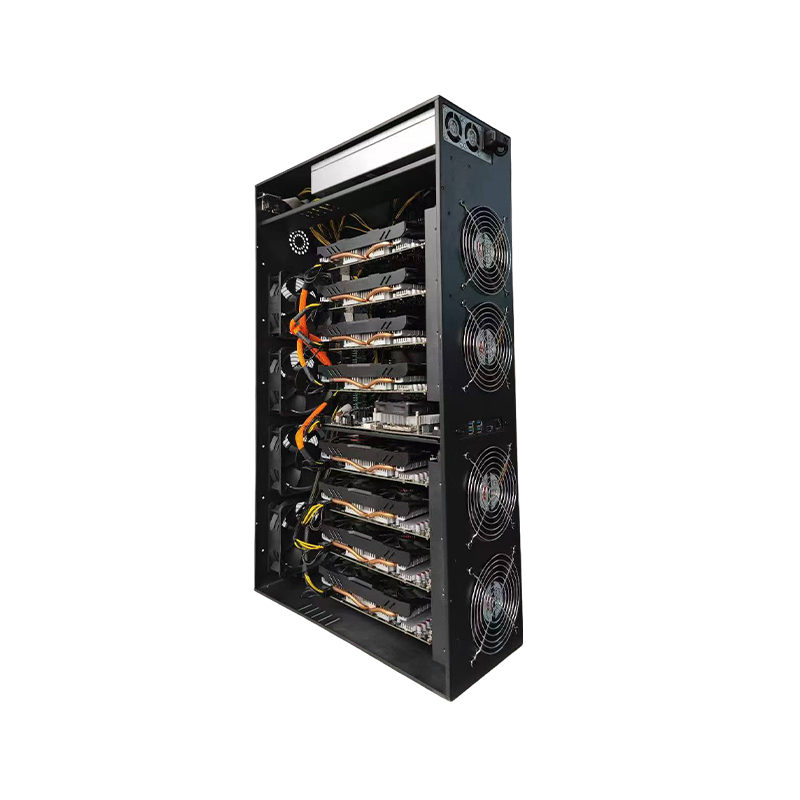
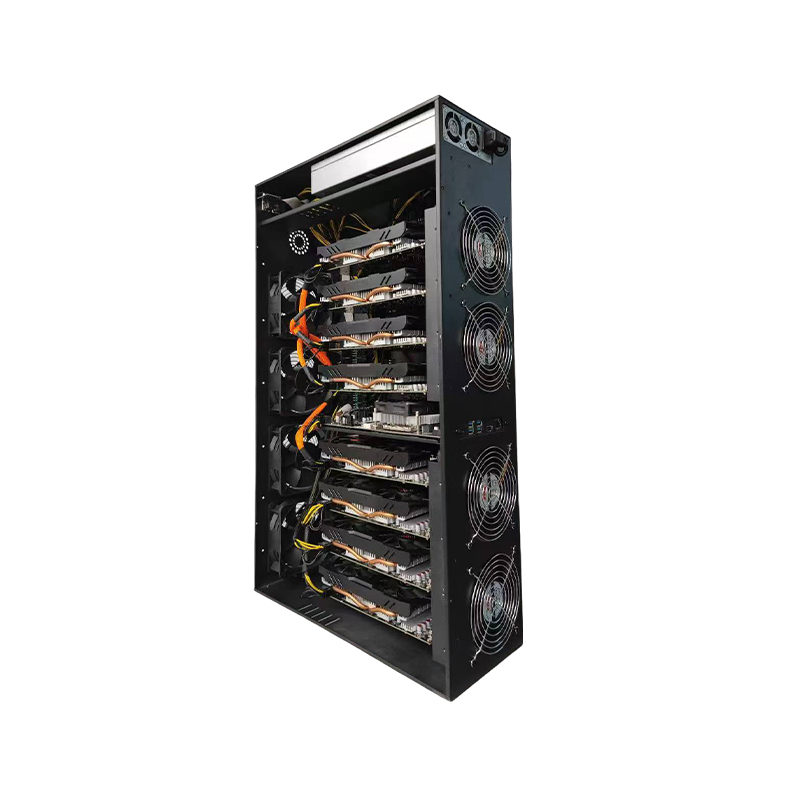
The chassis design should adopt a "front-to-back" main airflow layout, with the front fan drawing in cool air and the rear fan expelling hot air, forming a through-flow airflow.
This means that modules should separate the underlying hardware details from the upper-level application logic, and shield the differences between different platforms through a unified interface and abstraction layer.
The stable operation of industrial computer motherboards in such a "noisy" electromagnetic environment stems from their end-to-end EMI immunity design, encompassing circuit layout, component selection, and structural shielding.
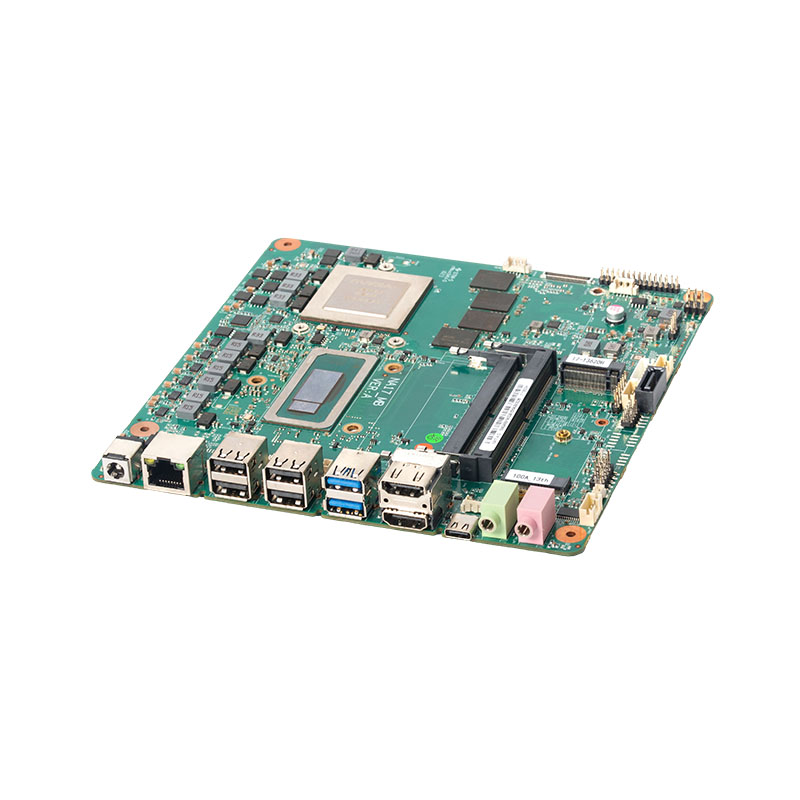
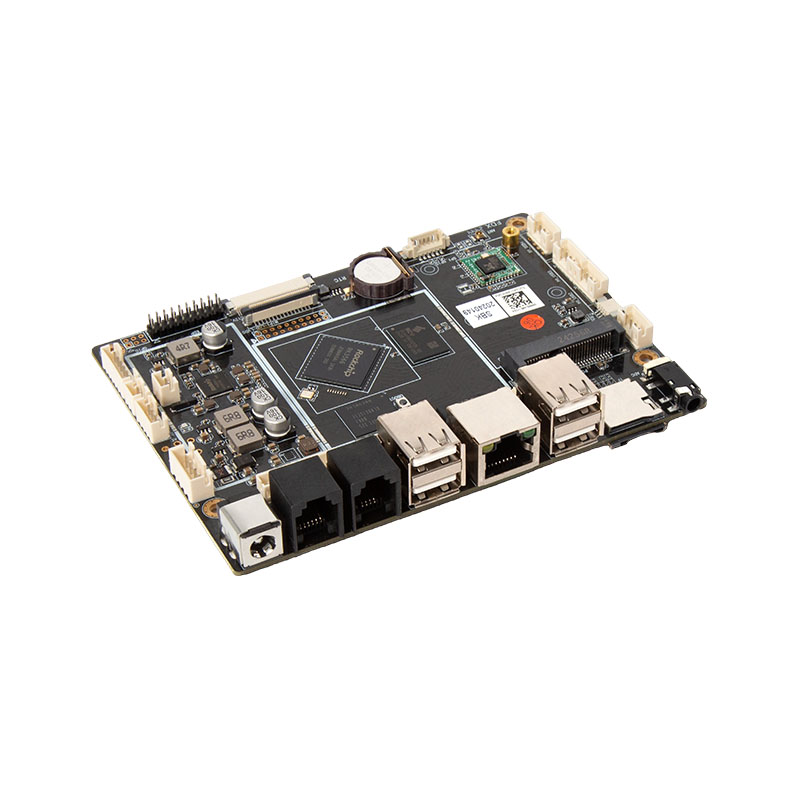
AI smart motherboards, with their heterogeneous computing architecture, dedicated acceleration units, and hardware-software co-optimization, have become the core carrier for achieving the optimal energy efficiency solution of "high computing power, low po
Different hardware supports low-precision calculations to varying degrees, and achieving quantization requires consideration of hardware and software co-optimization.